
Cinema Meet Up Presents:
Film Flamme
Polygone Etoile (Marseille) youth film project showcaseFilm Flamme
-
Sun 19 April // 19:00
/ Cinema
Tickets: £7/£5 (free with day pass)
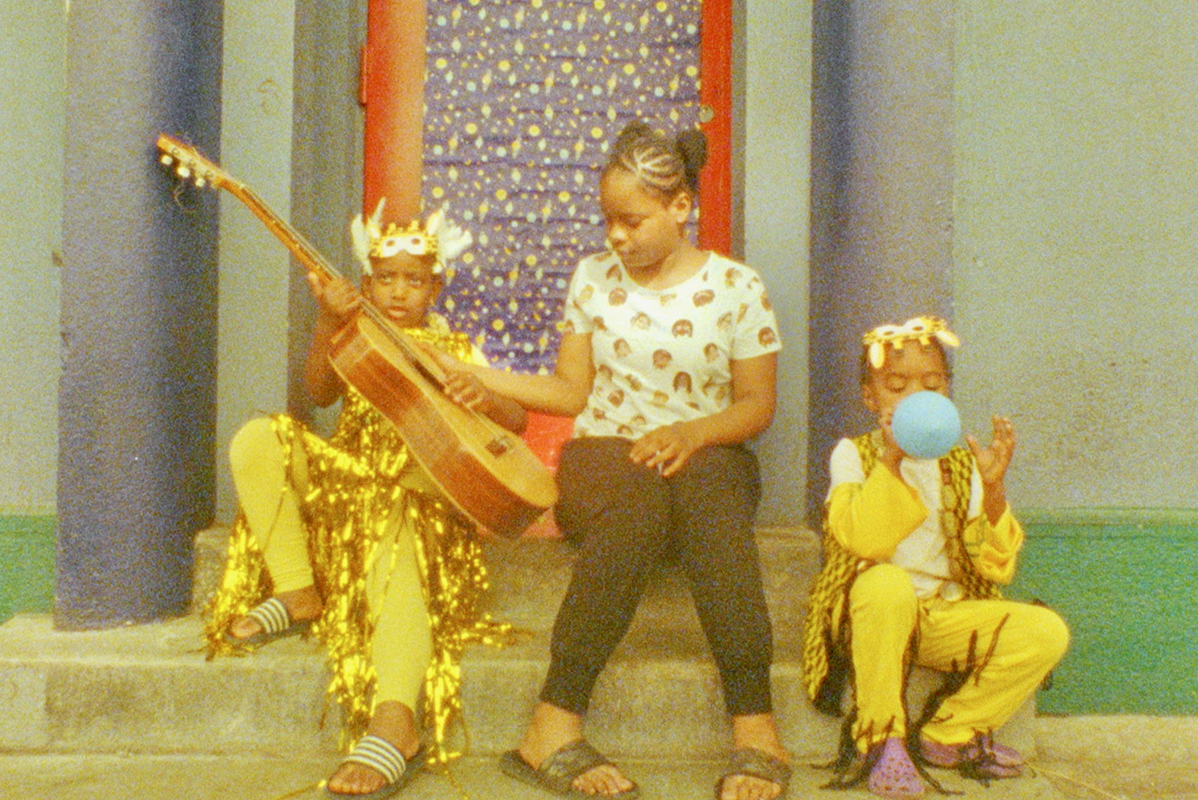
From 1996 to 2017, at Le Panier and then at La Joliette within the Polygone étoilé, the filmmakers ran workshops with local residents. The idea was simple: hand the neighbours a camera — 16mm Bell & Howell or Super 8 — along with a Nagra recorder and some microphones, and let them record whatever caught their attention: sounds, voices, the texture of everyday life. Editing meant listening to what had been captured, then laying that sound over the raw footage in the order it was shot. The sound leads; the images follow. The resulting 16mm films, collected under the title La Subtile mémoire des humains du rivage, add up to a four-hour portrait of Marseille — a poetic archive that belongs to no one in particular and everyone at once. From 2017 to 2024, a new project grew with the young residents of Massabo. Working with digital cameras and over longer stretches of time — writing, costumes, shooting, sound — they made short and medium-length films: fictions, poems, experiments. Ten films and a radio programme came out of it, with the most recent doing well on the festival circuit. That chapter is now closed. The younger filmmakers now at the Polygone étoilé have started something new: Cinébrouille, a film club for children, paired with Fenêtres sur la Joliette, a workshop strand for making films. No fixed direction, no predetermined form — things take shape as they go. 16mm for the kids, digital for the teenagers. Each film picks up something along the way — a street, a face, a voice — and holds onto it.’
The Polygone étoilé cinema, home to the Film flamme association, is a space for cinematic creation dedicated to supporting filmmakers whose struggle to find support for their projects within the industrial production system. All creative approaches are welcomed here, documentaries, experimental films, poetic essays, fiction, installations. It is also a cinema open to everyone. Special care is taken to engage with local residents through filmmaking workshops, while local associations and collectives are invited to make use of the space. Finally, it operates as a non-school. Here training is all about building autonomy, with guidance and honest feedback from others within the collective. Individuals are taken on through paid work contracts or civic service placements. We also now offer flexible modules for anyone wanting to learn how to digitise films shot on celluloid, tailored to each artist's background and current projects.